
Green Beauty Swap: Switching to Natural Alternatives
Get rid of the chemicals. Easy-to-follow guide to replacing conventional products with effective, nourishing, and non-toxic natural alternatives.

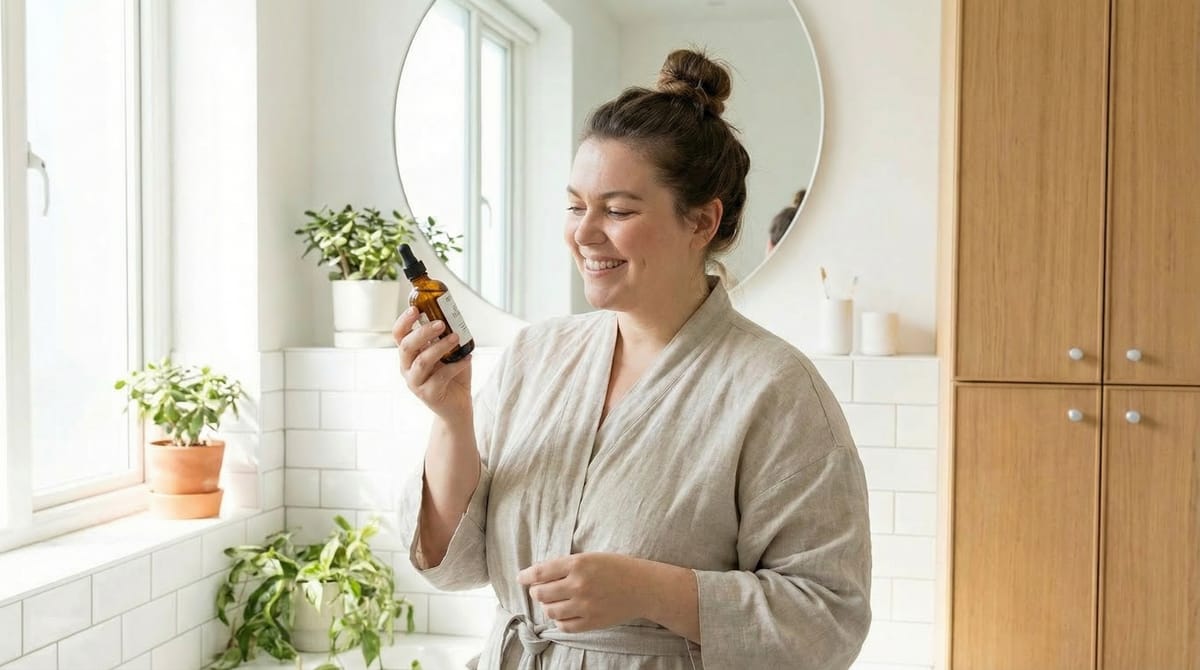
This article is for informational purposes only and does not constitute professional medical or dermatological advice. All beauty product use is at your own discretion and risk. We strongly recommend that you always perform a patch test when trying a new product, natural or otherwise. If you experience any adverse reactions, irritation, redness, or discomfort, discontinue use immediately and consult a healthcare professional. Your green beauty journey is personal, and you should always prioritize your health and safety.
Have you ever flipped over your favorite moisturizer and tried to read the ingredients list, only to feel like you need a PhD in chemistry just to get through the first three items? Yeah, same. I remember standing in my bathroom one day, squinting at a bottle of something I'd been slathering on my face for years, and thinking, "What even IS methylisothiazolinone, and why is it on my FACE?"
That was my personal lightbulb moment. The beginning of my green beauty journey. And here's what I learned: switching to natural alternatives doesn't mean you have to throw out everything you own, move to a commune, or start making all your products from ingredients you foraged in the woods (though hey, if that's your thing, I'm here for it).
This is about making informed choices that feel right for YOU. Maybe you'll swap out everything in your bathroom. Maybe you'll only switch a few key products. Either way is perfectly valid. There's no beauty police checking your cabinets, I promise.
So let's talk about practical, realistic ways to incorporate more natural products into your routine, without the overwhelm or the judgment. Sound good? Let's go.
Why Make the Switch? (But No Judgment If You Don't)
Okay, let's have an honest conversation about conventional beauty products. Many of them contain ingredients that, well, aren't exactly doing your skin or body any favors. We're talking about things like parabens, phthalates, synthetic fragrances, and a whole alphabet soup of chemicals that can potentially disrupt hormones, irritate sensitive skin, or accumulate in our bodies over time.
But here's the thing, and I cannot stress this enough: choosing to use natural beauty products is a PERSONAL decision. This isn't about shaming anyone for what's currently sitting on their bathroom shelf. We're all doing our best with the information and resources we have.
So what do "natural" and "clean beauty" actually mean?
Great question! And honestly, the answer is a bit murky because these terms aren't strictly regulated. Generally speaking, natural beauty products use ingredients derived from plants, minerals, and other naturally occurring sources. Clean beauty typically means products formulated without certain controversial ingredients, though every brand seems to have their own definition of what that includes.
Confused yet? Don't worry. We'll break this down in a way that actually makes sense.
The benefits of going greener with your beauty routine:
- For your skin: Natural ingredients are often gentler and less likely to cause irritation, especially if you have sensitive skin. Plus, many plant-based ingredients are packed with vitamins, antioxidants, and nutrients that actually nourish your skin.
- For your health: Reducing your exposure to potentially harmful chemicals means less stuff your body has to process and filter out. Your skin absorbs what you put on it, so quality matters.
- For the environment: Natural products are typically better for our planet. They break down more easily, often come in more sustainable packaging, and their production usually has a smaller environmental footprint.
But real talk? You don't have to switch everything at once. You don't even have to switch everything, period. Starting where you are and making changes that feel manageable and meaningful to YOU is what matters.
Understanding Labels and Ingredients
Alright, let's demystify these ingredient lists so you can make informed decisions without needing to Google every third word.
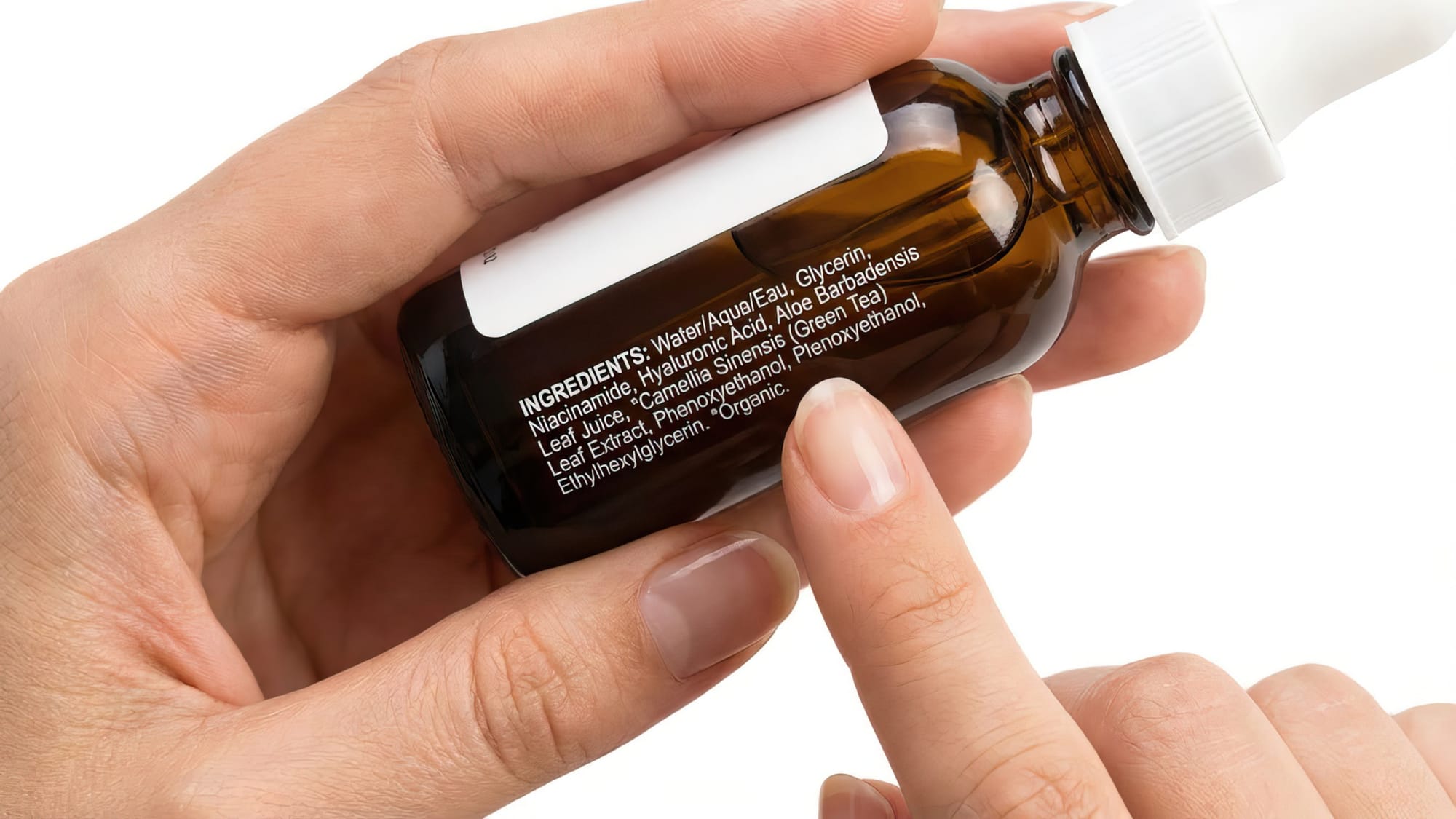
How to actually read beauty product labels:
Ingredients are listed in order of concentration, with the highest amounts first. So if water (or "aqua" because beauty products love to sound fancy) is first, that's the main ingredient. The stuff at the end of the list is present in tiny amounts.
Look for products where you recognize most of the ingredients. I'm not saying everything needs to sound like it came from your kitchen, but if the entire list reads like a chemistry textbook, that might be a sign to investigate further.
Red flag ingredients to watch out for:
- Parabens (methylparaben, propylparaben, etc.): These preservatives have been linked to hormone disruption. They're used to prevent bacterial growth, but there are natural alternatives that work just as well.
- Phthalates: Often hidden under "fragrance" on labels. These can also disrupt hormones and have been associated with various health concerns.
- Sulfates (SLS, SLES): These create that satisfying lather but can strip your skin and hair of natural oils, leading to dryness and irritation.
- Synthetic fragrances: That "fragrance" or "parfum" on the label can contain hundreds of undisclosed chemicals. If you love scented products, look for ones scented with essential oils instead.
- Formaldehyde and formaldehyde-releasing preservatives: Yes, formaldehyde. Like what's used to preserve things in biology class. Not ideal for your face.
Green flag ingredients to look for:
- Natural oils (jojoba, argan, coconut, rosehip): These nourish and moisturize without synthetic additives.
- Plant butters (shea, cocoa, mango): Deeply hydrating and rich in vitamins.
- Essential oils: For natural fragrance and therapeutic benefits (though some people are sensitive, so patch test first).
- Botanical extracts (aloe, chamomile, green tea): Soothing, healing, and packed with antioxidants.
- Natural preservatives (vitamin E, rosemary extract): Keep products fresh without the controversial stuff.
Here's an important truth bomb, though:
Just because something is natural doesn't automatically mean it's safe or right for your skin. Poison ivy is natural. You wouldn't rub that on your face. Some people are allergic to certain natural ingredients. Always patch test new products, natural or not.
And sometimes, certain synthetic ingredients are actually perfectly safe and effective. The world isn't black and white. The goal is being informed and making choices that align with your values and work for your body.
The Face Swap
Let's start with your face because, well, it's pretty important. And it's often where we notice the biggest difference when we switch to natural products.
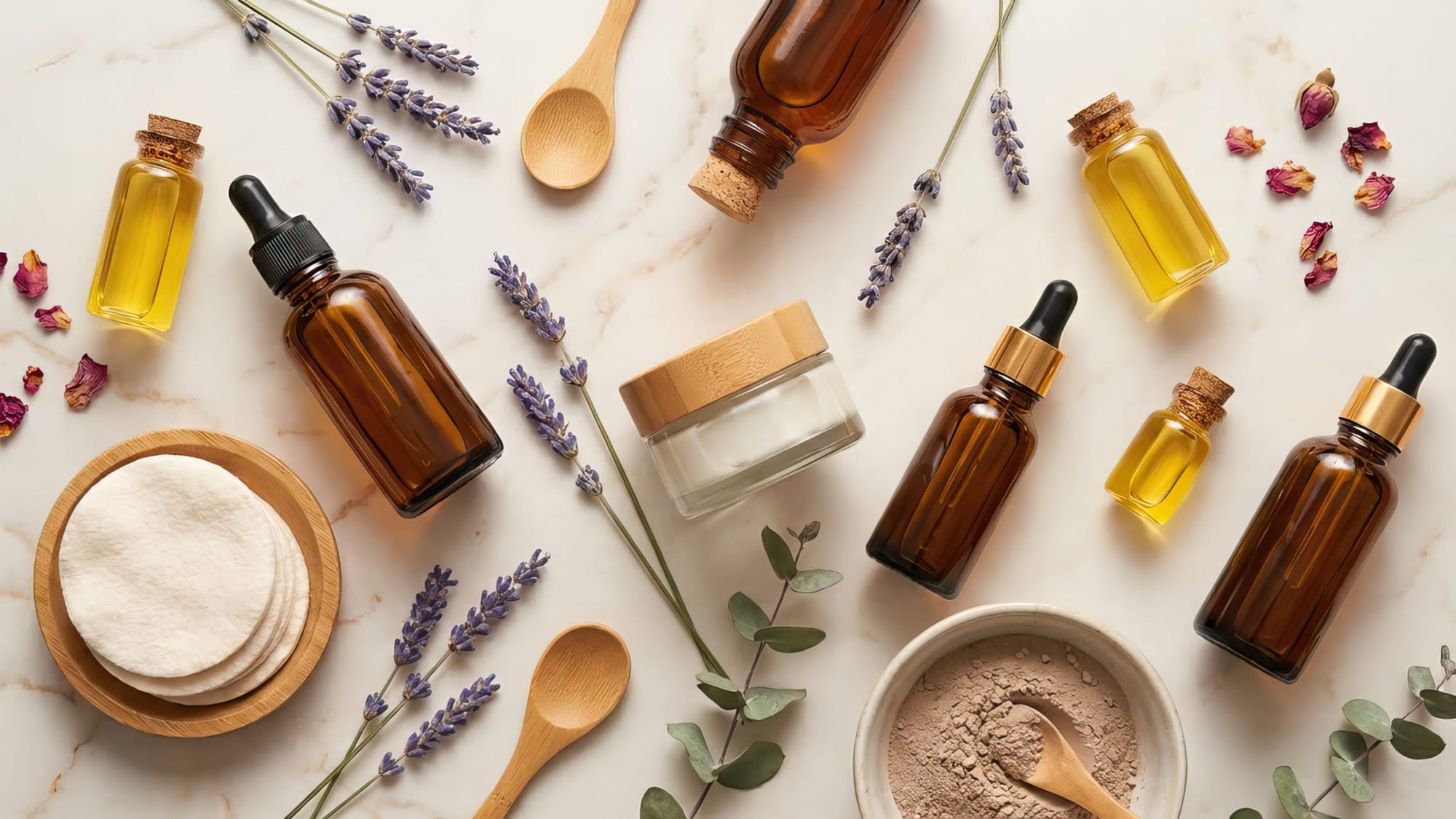
Cleanser alternatives:
- Swap out: Harsh, foaming cleansers with sulfates that leave your skin feeling squeaky clean (which actually means stripped of natural oils).
- Swap in: Oil cleansers, cream cleansers, or gentle gel cleansers with natural surfactants. Oil cleansing might sound counterintuitive, but it works beautifully for all skin types, even oily skin. The oil dissolves makeup and grime without stripping your skin's natural barrier.
Try ingredients like: Jojoba oil, sweet almond oil, or products with natural cleansing agents like coconut-derived surfactants.
Moisturizer swaps:
- Swap out: Moisturizers loaded with mineral oil, petroleum derivatives, and synthetic fragrances.
- Swap in: Plant-based moisturizers with ingredients like hyaluronic acid (which can be naturally derived), plant oils, and butters.
- For oily skin: Try lightweight options with jojoba oil or rosehip oil (yes, oil can help balance oily skin!).
- For dry skin: Look for richer formulas with shea butter, avocado oil, or squalane (often derived from olives).
- For combination skin: You might need different products for different areas, and that's totally fine.
Toners and serums:
- Swap out: Toners with alcohol that dry out your skin, or serums with a million synthetic ingredients you can't pronounce.
- Swap in: Hydrating toners with rose water, witch hazel (alcohol-free), or aloe vera. For serums, look for vitamin C from natural sources, plant-based hyaluronic acid, or facial oils.
Makeup removers:
- Swap out: Makeup wipes (which often contain irritating chemicals and aren't great for the environment).
- Swap in: Micellar water with natural ingredients, cleansing balms, or simply use your oil cleanser. Coconut oil on a reusable cotton pad works wonders for removing even stubborn mascara.
Exfoliators:
- Swap out: Harsh scrubs with microbeads (terrible for the environment) or overly abrasive particles.
- Swap in: Gentle physical exfoliants with natural particles like finely ground oats, sugar, or jojoba beads. Or try chemical exfoliants derived from natural sources like fruit enzymes (papaya, pumpkin) or AHAs from sugar cane or milk.
Face masks:
- Swap out: Masks with synthetic dyes, fragrances, and questionable ingredients.
- Swap in: Clay masks (bentonite, kaolin), honey masks, or masks with natural ingredients like spirulina, matcha, or turmeric. These are also super easy to DIY if you're feeling adventurous.
The Hair Care Swap
Ah, hair care. This is where a lot of people get nervous about making the switch. I get it. We have relationships with our hair products. But I promise, natural alternatives can be just as effective.

Shampoo and conditioner alternatives:
- Swap out: Shampoos with sulfates, silicones, and synthetic fragrances that can build up on your hair and scalp.
- Swap in: Natural shampoos with gentle, plant-derived cleansers. Look for ingredients like coconut-derived surfactants, aloe vera, and botanical extracts.
- For fine hair: Try lightweight formulas with citrus or rosemary.
- For thick or curly hair: Look for more moisturizing options with shea butter or coconut oil.
- For color-treated hair: Seek out natural shampoos specifically formulated to be color-safe (they exist!).
The transition period real talk:
Here's something they don't always tell you: when you switch from conventional to natural hair products, there might be an adjustment period. Your hair has been coated with silicones and other synthetic ingredients, and it takes time to detox. You might experience greasiness or different texture for a week or two. This is NORMAL. Push through. It gets better.
Styling products:
- Swap out: Gels, mousses, and sprays loaded with synthetic polymers and alcohol.
- Swap in: Natural styling products with ingredients like aloe vera gel, flax seed gel, or beeswax. They work differently than conventional products, so you might need to experiment with application and amount.
Hair treatments and masks:
- Swap out: Deep conditioners with synthetic ingredients.
- Swap in: Natural hair masks with coconut oil, argan oil, avocado, or honey. These are incredibly easy (and cost-effective) to make at home. A simple coconut oil mask once a week can transform your hair.
The Body Care Swap
Your body deserves the same love and attention as your face. Let's talk about swapping those body care products.
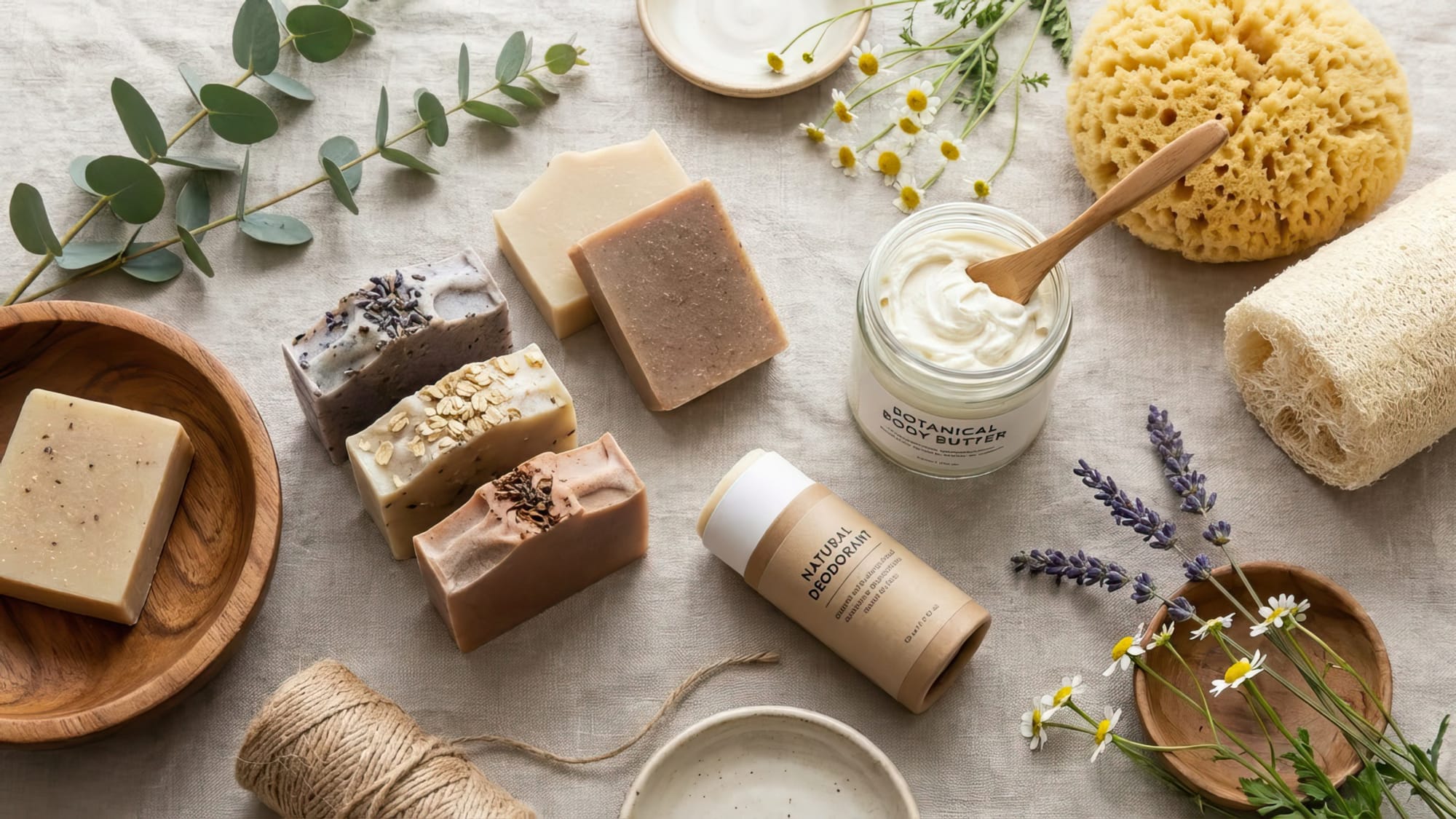
Body wash and soap alternatives:
- Swap out: Body washes with sulfates, synthetic fragrances, and triclosan (an antibacterial agent that's potentially harmful).
- Swap in: Natural bar soaps or body washes with plant-based cleansers. Look for soaps made with oils like olive, coconut, or palm (sustainably sourced), and scented with essential oils if you like fragrance.
Natural soaps might not lather as much as conventional ones. That's okay! Lather doesn't equal clean. It's just bubbles.
Lotions and body butters:
- Swap out: Lotions with mineral oil, parabens, and synthetic fragrances.
- Swap in: Body lotions or butters with natural oils and butters. Shea butter, cocoa butter, coconut oil, and sweet almond oil are all fantastic for moisturizing your skin.
Deodorant (the big one):
Okay, this is where everyone gets a little anxious. Natural deodorant has come a LONG way, friends. It's not 2010 anymore.
- Swap out: Antiperspirants with aluminum and synthetic fragrances.
- Swap in: Natural deodorants with ingredients like baking soda, arrowroot powder, coconut oil, and essential oils.
Important notes: Natural deodorant is just that, deodorant, not antiperspirant. You will still sweat (which is actually healthy!), but you won't smell. There's typically a transition period where your body adjusts. Some people are sensitive to baking soda, so look for baking soda-free formulas if you experience irritation. And yes, you might need to reapply once during the day. That's normal.
Sunscreen options:
- Swap out: Chemical sunscreens that absorb into your skin and can disrupt hormones.
- Swap in: Mineral sunscreens with zinc oxide or titanium dioxide. These sit on top of your skin and physically block UV rays. There are modern formulas that no longer leave you looking like a ghost, I promise.
Shaving products:
- Swap out: Shaving creams with synthetic fragrances and questionable ingredients.
- Swap in: Natural shaving creams, or simply use coconut oil or a natural bar soap. Many people find that oil provides an even closer, smoother shave than conventional products.
The Makeup Swap
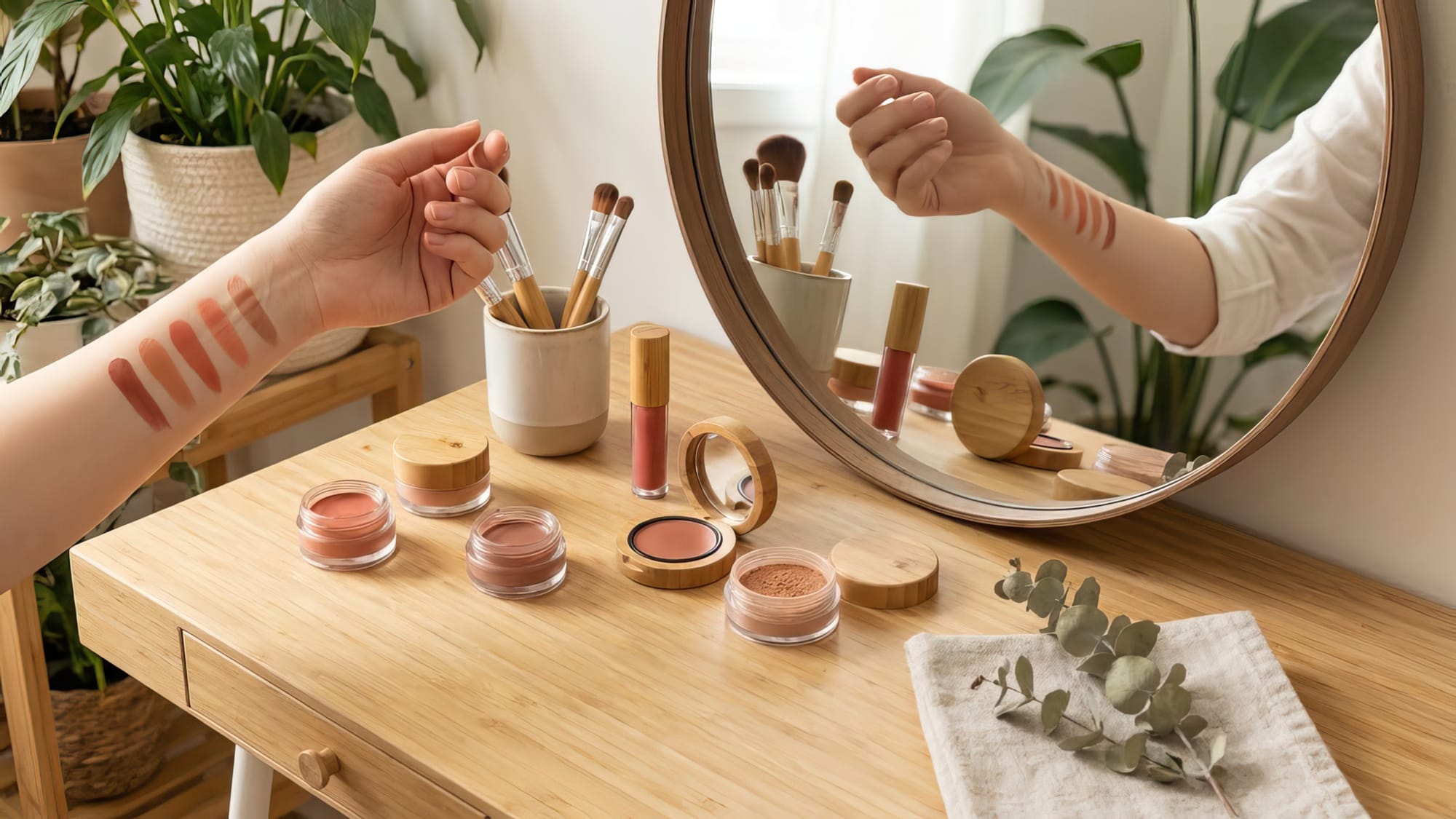
Can natural makeup really perform as well as conventional makeup? Short answer: yes! But let's be realistic about expectations.
Foundation and concealer:
- Swap out: Foundations with synthetic dyes, fragrances, and preservatives.
- Swap in: Mineral makeup or natural liquid foundations. These often contain ingredients like minerals, plant oils, and natural pigments.
Natural foundations might have a different texture or coverage level. Some provide beautiful, buildable coverage. Others are more sheer. It might take some trial and error to find your perfect match.
Eye makeup:
- Swap out: Eyeshadows, liners, and mascaras with synthetic dyes, preservatives, and plasticizers.
- Swap in: Natural versions using mineral pigments, plant-based ingredients, and natural waxes for mascaras.
Real talk about natural mascara: it might not give you those dramatic, false-lash results that conventional mascaras achieve with synthetic fibers and polymers. But it will enhance your lashes naturally without the questionable ingredients.
Lip products:
- Swap out: Lipsticks and glosses with synthetic dyes, petroleum-based ingredients, and lead (yes, lead is still found in some conventional lipsticks).
- Swap in: Natural lip products with plant oils, butters, and mineral-based pigments. These often feel more nourishing on your lips, too.
Blush and bronzer:
- Swap out: Powder products with synthetic dyes and talc (which can sometimes be contaminated with asbestos).
- Swap in: Mineral blushes and bronzers with natural pigments. These often look more natural on the skin anyway.
Setting sprays and primers:
- Swap out: Products with synthetic polymers and silicones.
- Swap in: Natural setting sprays with aloe vera, rose water, or botanical extracts. For primers, look for options with natural oils and plant-based ingredients.
Here's the honest truth about natural makeup: the staying power might be slightly different from conventional products. You might need to touch up a bit more throughout the day. But many people find that the trade-off is worth it for products that don't contain ingredients they're concerned about.
DIY vs. Store-Bought
Let's talk about making your own products versus buying them. Both have their place!

When DIY makes sense:
- Simple recipes: Face masks, hair masks, body scrubs, and lip balms are super easy to make at home and often more cost-effective than buying them.
- You like control: Making your own products means you know EXACTLY what's in them.
- You enjoy the process: Some people find making beauty products relaxing and fun. If that's you, go for it!
When store-bought is the better choice:
- Complex formulations: Things like sunscreen, mascara, or products that need proper preservation are better left to the professionals.
- You don't have time: And that's completely valid! Not everyone wants to spend their Sunday afternoon making lotion.
- Consistency matters: Store-bought products have consistent formulations, while DIY batches can vary.
Simple recipes you can actually make at home:
- Sugar scrub: Mix equal parts coconut oil and sugar. Add a few drops of essential oil if desired. That's it. Use in the shower for smooth, glowing skin.
- Hair mask: Mash half an avocado with a tablespoon of coconut oil and a tablespoon of honey. Apply to damp hair, leave for 20 minutes, rinse. Hello, shiny hair!
- Face mask: Mix 1 tablespoon of raw honey with 1 teaspoon of cinnamon. Apply to clean skin, leave for 10 minutes, rinse. Great for acne-prone skin.
- Lip scrub: Mix a teaspoon of honey with a teaspoon of brown sugar. Gently scrub lips, rinse. Follow with a natural lip balm.
Quality natural brands worth trying:
I won't list specific brands here because everyone's budget and preferences are different, but look for companies that are transparent about their ingredients, have good reviews, and align with your values. Many natural beauty brands offer sample sizes, which is perfect for testing before committing to full-size products.
Budget considerations:
Natural doesn't have to mean expensive. Yes, some natural brands are pricey, but many are quite affordable. Plus, simple ingredients like coconut oil, shea butter, and jojoba oil can be purchased in bulk for very little money and used for multiple purposes.
Making the Transition Realistic
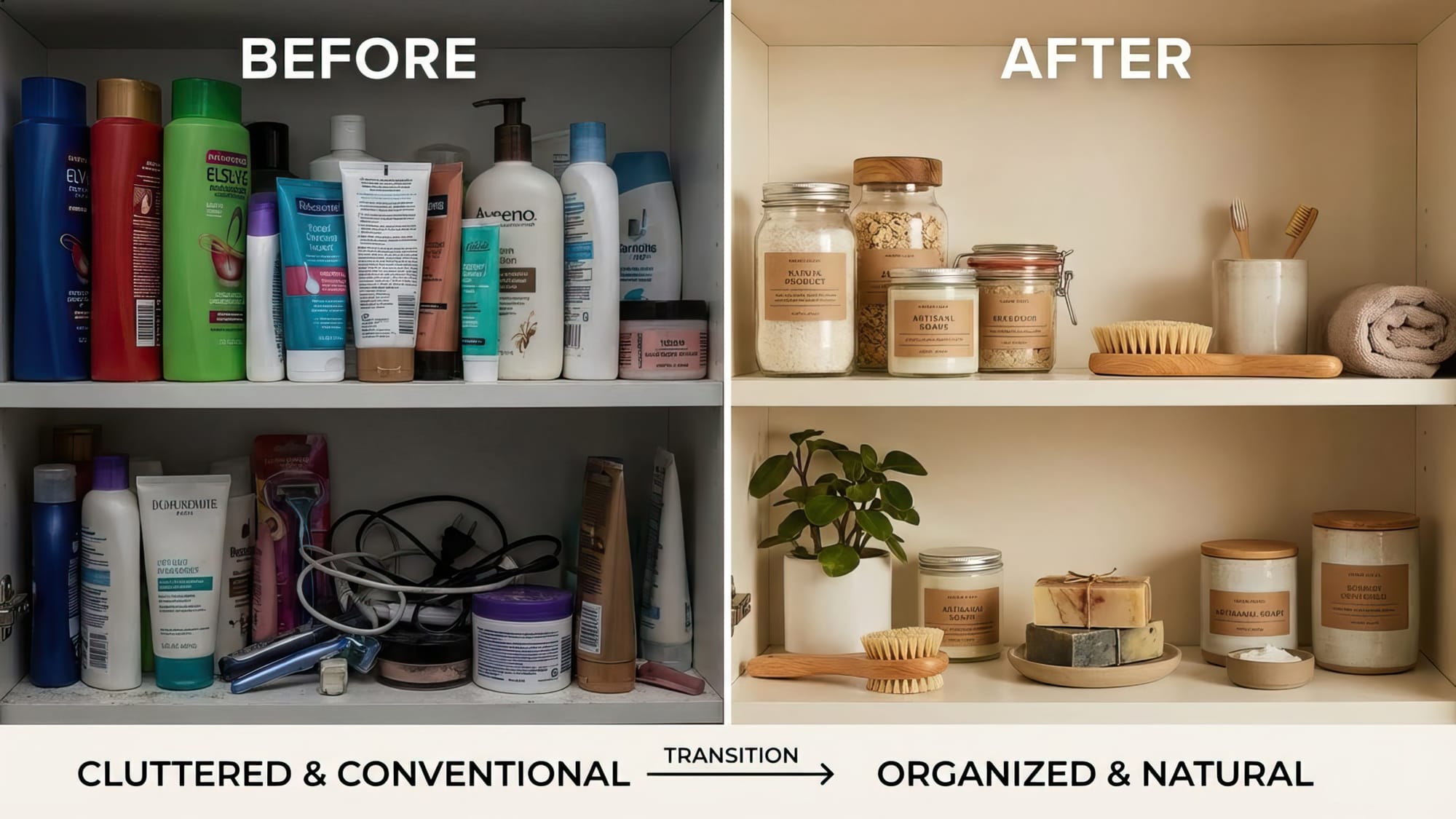
Let's talk strategy because throwing out your entire bathroom and starting from scratch isn't realistic (or necessary).
Start with products you use most often:
This makes the biggest impact. If you wash your face twice a day, switching your cleanser early on makes sense. If you rarely wear makeup, that swap can wait.
The one swap at a time approach:
When you run out of a product, replace it with a natural alternative. This way, you're not wasting products or overwhelming yourself. Plus, it spreads out the cost.
My personal recommendation? Start with these three: cleanser, moisturizer, and deodorant. These touch your skin daily and make a noticeable difference.
What to do with products you already have:
If a product is almost empty or you don't like it anymore, toss it. But if you have products you enjoy and use regularly? It's okay to finish them. Being wasteful isn't exactly eco-friendly either.
Some people donate gently used products to women's shelters or offer them to friends. That's a lovely option too.
How to know if a natural product isn't working for you:
Give it a fair shot (usually 2-4 weeks for skincare), but if you're experiencing irritation, breakouts, or other negative reactions, stop using it. Natural doesn't automatically mean it's right for your skin. We're all different!
When it's okay to stick with conventional:
Real talk? Sometimes conventional products work better for certain needs. If you have a medical skin condition that requires specific treatments, follow your dermatologist's advice. If you haven't found a natural alternative that works for a particular product, it's okay to keep using what works for you.
This isn't about perfection. It's about progress and making choices that feel right for you.
Shopping Guide
So, where do you actually find these magical natural products? Let's point you in the right direction.

Where to find natural beauty products:
- Health food stores: Places like Whole Foods often have extensive natural beauty sections.
- Natural beauty retailers: There are stores (both online and brick-and-mortar) dedicated entirely to natural beauty products.
- Regular stores: Many mainstream retailers now carry natural beauty lines. Check your local drugstore!
- Online: Tons of online retailers specialize in natural and organic beauty. The selection is usually much wider than in-store.
- Directly from brands: Many natural beauty companies sell directly through their websites.
Online retailers vs. in-store shopping:
- In-store pros: You can see, smell, and sometimes sample products. You get them immediately.
- In-store cons: Limited selection compared to online.
- Online pros: Huge selection, often better prices, easy to research products, and read reviews.
- Online cons: Can't test before buying, waiting for shipping, sometimes you need to reach minimum order amounts.
How to spot greenwashing:
This is important. Greenwashing is when companies make their products appear more natural or eco-friendly than they actually are.
- Red flags: Vague terms like "natural" or "eco-friendly" without specifics. Pretty green packaging with leaves and flowers, but sketchy ingredient lists. Words like "free from" without stating what the product actually contains.
- What to do: Read the actual ingredient list. Look for third-party certifications (USDA Organic, EWG Verified, Leaping Bunny, etc.). Research the company's practices.
Questions to ask before buying:
- Is this formulated for my skin type or concern? (Don't buy something just because it's natural if it's not right for you.)
- What are the main active ingredients? (Make sure they address what you're looking for.)
- How long will this product last? (Some natural products have shorter shelf lives.)
- What's the return policy? (Important for trying new products.)
- Is this company transparent about its ingredients and practices?
Building your natural beauty routine on any budget:
- Start with multi-use products: Coconut oil can be a makeup remover, body moisturizer, hair mask, and more.
- Look for sales and sample sizes: Many natural brands offer discovery sets or travel sizes that let you try products affordably.
- DIY what makes sense: As we discussed earlier, some things are easy and cheap to make at home.
- Invest where it matters: Spend more on products you use daily, and that touch your face. Save on body products or items you use less frequently.
Remember: You don't need a 10-step routine with expensive products to have healthy, glowing skin. Sometimes less really is more.
Your Green Beauty Journey Starts Here
So here we are! We've covered a lot of ground, from reading labels to swapping out everything from your cleanser to your mascara.
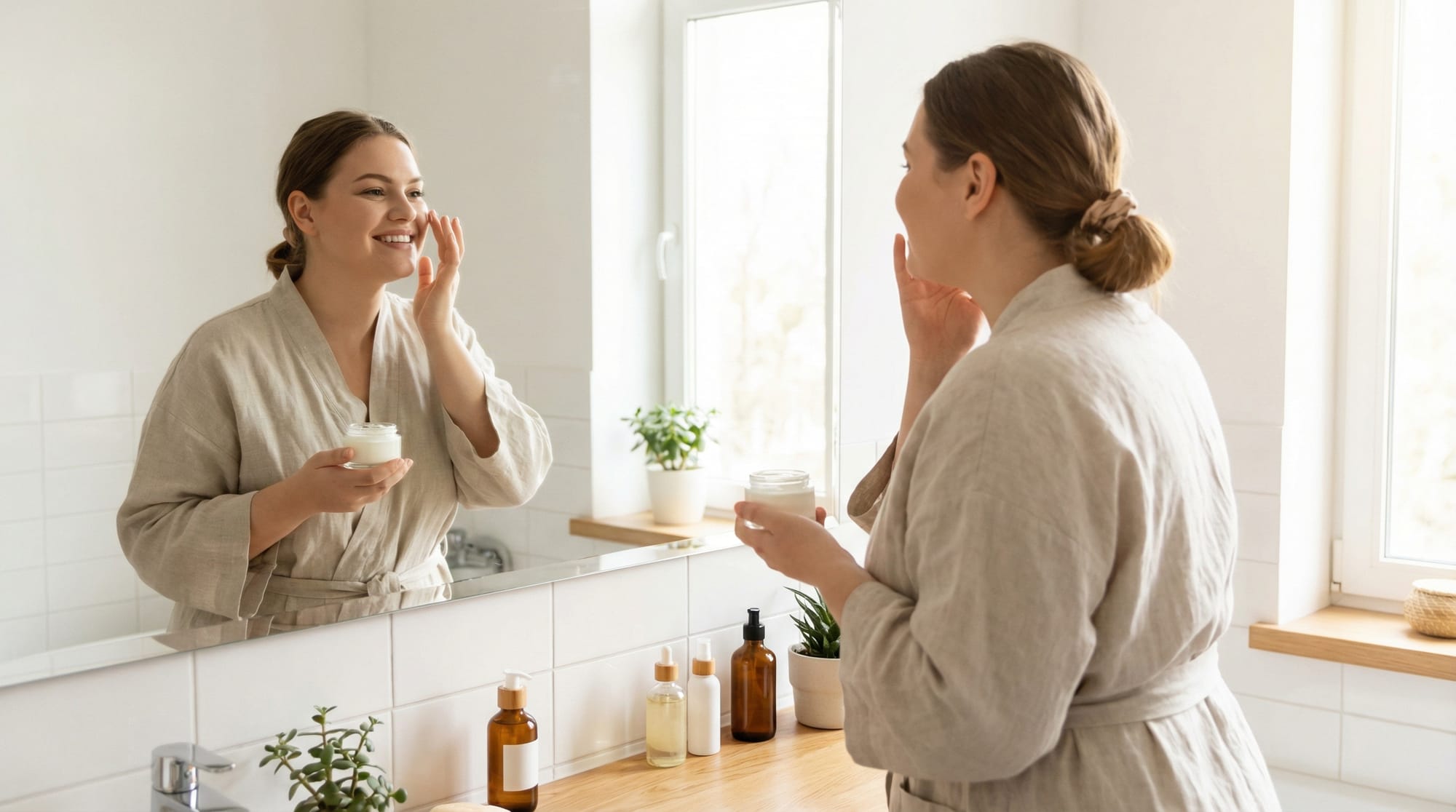
Let's do a quick recap: Natural beauty products can be better for your skin, your health, and the planet. You don't need to switch everything at once (or even everything, period). Start with what makes sense for you, go at your own pace, and don't stress about perfection.
The most important thing I want you to take away from this? This journey is YOURS. It doesn't have to look like anyone else's. Maybe you go fully natural. Maybe you swap out half your products. Maybe you only switch a few key items. All of these choices are valid.
There's no prize for being the "most natural" or judgment for keeping some conventional favorites. This is about making informed choices that align with your values and work for your body and lifestyle.
Here's my challenge for you:
Pick ONE product this week to swap for a natural alternative. Just one. Maybe it's your face wash, your body lotion, or even just your lip balm. Start small. See how it goes. Pay attention to how your skin responds.
Then come back and share your experience! What did you try? How did it work for you? Drop a comment or tag your green beauty journey with #NaturalBeautySwap so we can all learn from each other.
Remember, taking care of yourself and being mindful about what you put on your body can go hand in hand. You're not being high-maintenance or overly picky. You're being intentional. And that's something to feel good about.
Now go take a look at your bathroom shelf with fresh eyes. You've got this, one product swap at a time.