
Sleigh the Dinner Table: Remove Food Guilt From Your Plate
Ditch the "I'll burn this off tomorrow" mindset. Discover how to enjoy your holiday meals with zero guilt and full gratitude for your body.


You know that moment when you're standing at your family's holiday dessert spread, and your grandmother's famous pecan pie is calling your name? The one she's been making since before you were born. The one that tastes like childhood and love and every warm memory you hold dear.
Your hand reaches for the pie server, and then it happens.
The mental math starts. If I have this, I'll need to do an extra spin class tomorrow. Maybe two. Or I could skip it entirely and just have fruit instead. Wait, did I already eat too much at dinner? Should I even be doing this?
And just like that, what should be a moment of pure joy becomes a full-blown negotiation with yourself.
If you've ever had this exact internal conversation, welcome to the club. It's way too crowded in here.
Here's the thing, friend. That internal negotiation? That mental gymnastics routine we perform before every holiday meal? It's robbing us of so much more than we realize. And this year, I'm here to tell you that food guilt has absolutely no place on your holiday menu.
It's time to sleigh those toxic thoughts and reclaim the pure joy of celebration.
The Real Cost of Food Guilt at the Table
When we're busy calculating the caloric damage of our meal or planning tomorrow's punishment workout, we're not actually present. We're not hearing Aunt Linda's story about her trip to Portugal. We're not savoring the way your mom's stuffing tastes exactly like home. We're certainly not catching those precious moments of connection that make the holidays actually meaningful.

Food guilt steals our joy. It sits at the table like an unwelcome guest, whispering criticisms in our ear while everyone else is laughing and making memories. It turns what should be pleasure into a source of stress and shame.
Think about it. How many holiday meals have you spent mentally berating yourself instead of being fully engaged with the people you love? How many times have you missed the warmth of the moment because you were too busy feeling bad about your choices?
That's the real cost here. And honestly? It's way too high.
Where This "Earn Your Food" Nonsense Came From
If you've noticed that the "burn it off" messaging gets cranked up to eleven around the holidays, you're not imagining things. Diet culture goes into overdrive between Thanksgiving and New Year's, bombarding us with articles about how to "survive" holiday eating and advertisements for January gym memberships before we've even taken our first bite of Christmas dinner.
Social media doesn't help. Fitness influencers post their "What I Eat to Stay on Track During the Holidays" videos. Wellness brands remind us that indulgence equals failure. The message is clear and relentless: holiday food is something to fear, control, and compensate for.
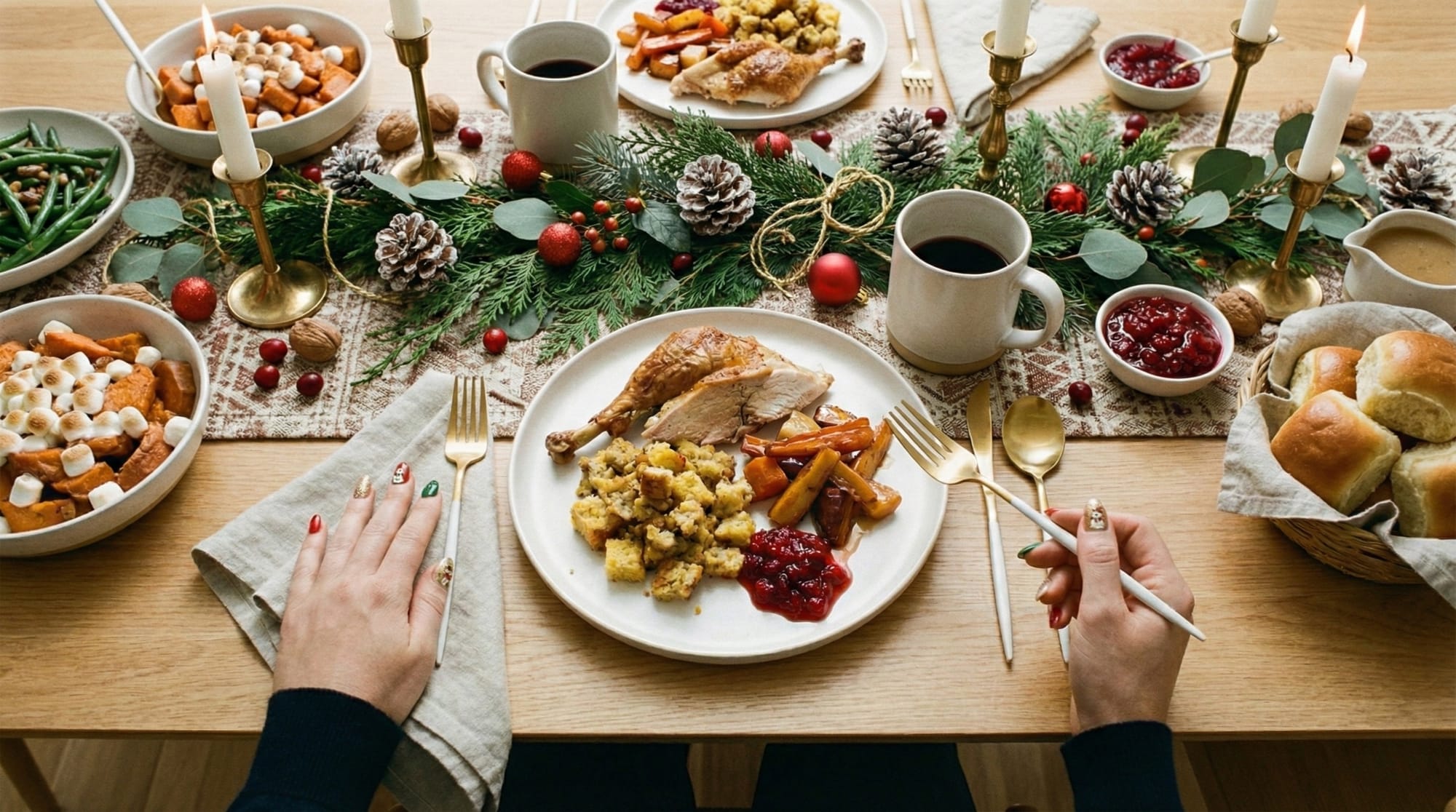
But here's a question worth asking: who profits from your food guilt? (Spoiler alert: not you.)
The truth that diet culture doesn't want you to know? One meal doesn't make or break your health. Neither does one day, one weekend, or even one entire festive season. Your body is far more resilient and intelligent than the fear-mongering would have you believe. The notion that a slice of pie on Christmas will derail everything is not only false, it's designed to keep you feeling inadequate and reaching for the next diet solution.
You deserve better than that.
Your Body Is Not a Bank Account
Let's talk about this whole "calories in, calories out" thing, because it's time to retire that outdated thinking. Your body is not a bank account. Food is not a transaction that requires balancing. And you absolutely do not need to "earn" your grandmother's cooking through exercise or restriction.

Our bodies are phenomenally complex systems, not simple calculators. They're managing thousands of processes at any given moment, regulating hormones, fighting off illness, healing injuries, and yes, digesting that second helping of mashed potatoes without requiring your guilt or punishment as payment.
Here's where body neutrality comes in. Instead of judging your body as good or bad based on what you eat, what if you simply acknowledged what it does? During holiday dinner, your body's job is to digest food, absorb nutrients, and allow you to experience the pleasure of eating. That's it. It doesn't need your criticism. It doesn't require your shame. It just needs you to let it do its thing.
I'll be honest with you. I spent years in the earn-your-food trap. I'd plan my holiday workouts before the holiday even arrived, already mentally apologizing to my body for what I was about to put it through. And you know what? It made me miserable. The moment I started treating my body as a capable, trustworthy partner rather than an adversary that needed to be controlled, everything changed. The holidays actually became enjoyable again.
Your body is not your enemy. It's the only one you've got, and it deserves your respect, not your punishment.
What Intuitive Eating Actually Looks Like at Holiday Meals
Okay, so if we're ditching the guilt and the food rules, what does that actually look like in practice? I'm so glad you asked.
Intuitive eating during the holidays means tuning into your actual body signals rather than external rules or restrictions. It means noticing when you're genuinely hungry and when you're comfortably full. Not stuffed-to-the-point-of-pain full (unless that's what you choose), but satisfied.

Here's the beautiful part: you can absolutely enjoy your grandmother's pie AND honor your body's fullness cues. These aren't mutually exclusive. Permission and attunement can coexist.
Maybe that looks like having a smaller slice because you're already satisfied from dinner. Or maybe it looks like having a full slice because it's your favorite and you've been looking forward to it all year. Maybe you have two slices because it's absolutely delicious and you're celebrating. All of these choices are valid. None of them require guilt or compensation.
Now, let's address the elephant in the room: emotional eating. Sometimes we eat for comfort, joy, or celebration, and that's completely normal. Humans have been doing this since the beginning of time. The difference between emotional eating and the punishment cycle is intent. Are you eating the cookies because they bring you genuine pleasure and connection? Great. Are you eating them as an act of rebellion against food rules, followed by shame and restriction? That's where we get stuck.
And what about those well-meaning relatives who insist on commenting about your portions or launching into their latest diet talk? You've got options. You can redirect the conversation ("Let's talk about something more interesting than diets!"). You can set a boundary ("I'm not discussing food or bodies today, but I'd love to hear about your new job!"). Or you can simply excuse yourself to refill your drink. You don't owe anyone an explanation for your eating choices.
Reclaiming Food Joy This Season
Here's what I want you to remember: holiday eating is about so much more than nutrition. It's about connection, tradition, love, and pleasure. It's about the stories behind the recipes and the hands that prepared them. It's about belonging and celebration and being human together.
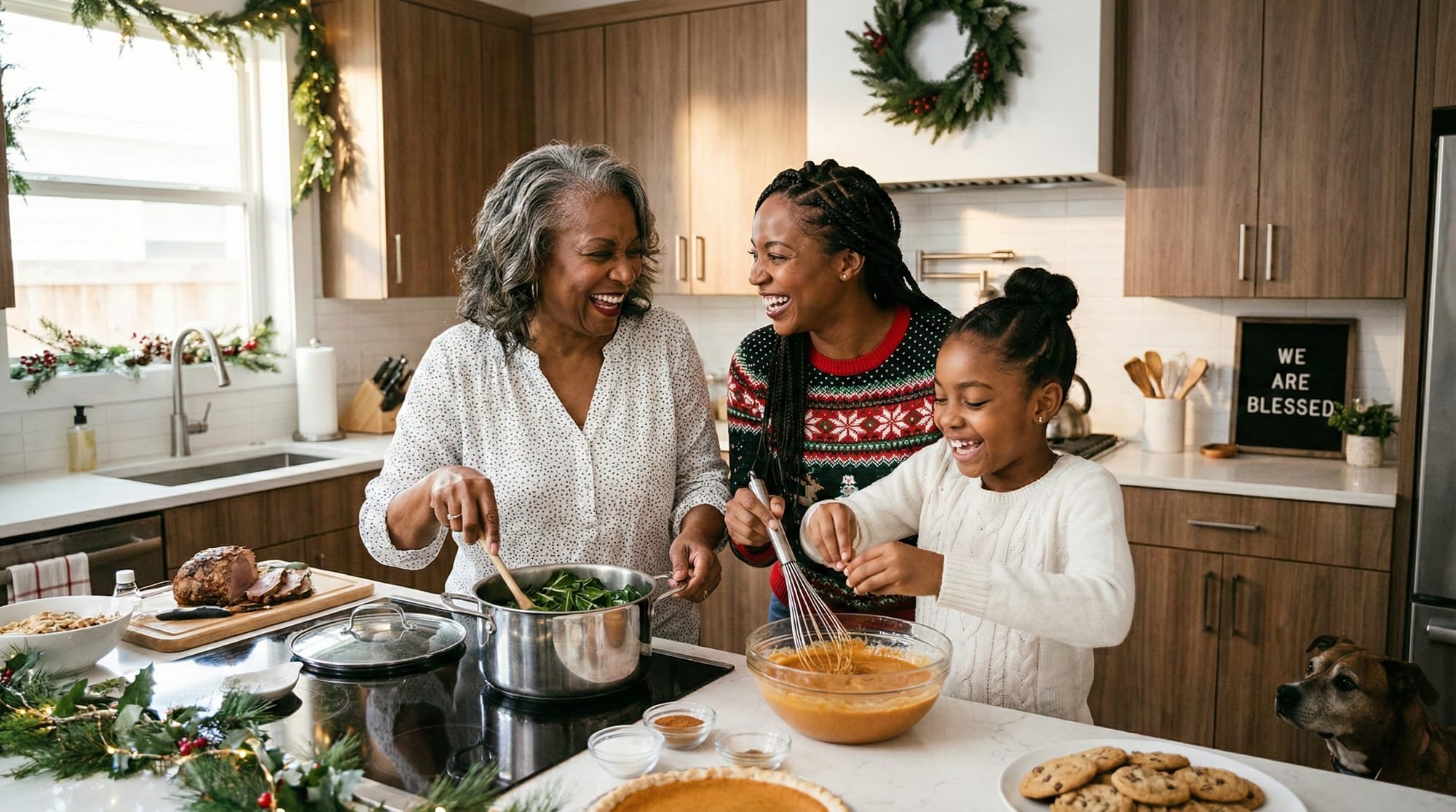
Your body, the miraculous system that it is, allows you to taste the spices in your aunt's famous cookies. It lets you smell the pine tree, the cinnamon, and the roasting turkey. It enables you to hug your loved ones, laugh until your stomach hurts, and make memories you'll carry forever.
That deserves gratitude, not punishment.
Here are some mindset shifts to carry with you this season:
- "I'm nourishing my body" instead of "I'm being bad"
- "I trust my body to handle this" instead of "I'll have to make up for this"
- "This meal is a celebration" instead of "This meal is a setback"
- "I deserve pleasure" instead of "I need to earn this"
- "Food is morally neutral" instead of "This is a cheat meal"

Imagine biting into that pecan pie and tasting only sweetness, tradition, and love. No side of shame. No bitter aftertaste of guilt. Just the rich, buttery goodness that your grandmother made with her own two hands, possibly while thinking of you.
That's what's waiting for you on the other side of food guilt. And trust me, it tastes even better than you remember.
Life's Too Short for Pie Guilt
Look, I get it. Unlearning years of diet culture messaging doesn't happen overnight. You might read this article, feel inspired, and then still catch yourself calculating calories at the dinner table. That's okay. Be patient with yourself. This is a journey, not a destination.
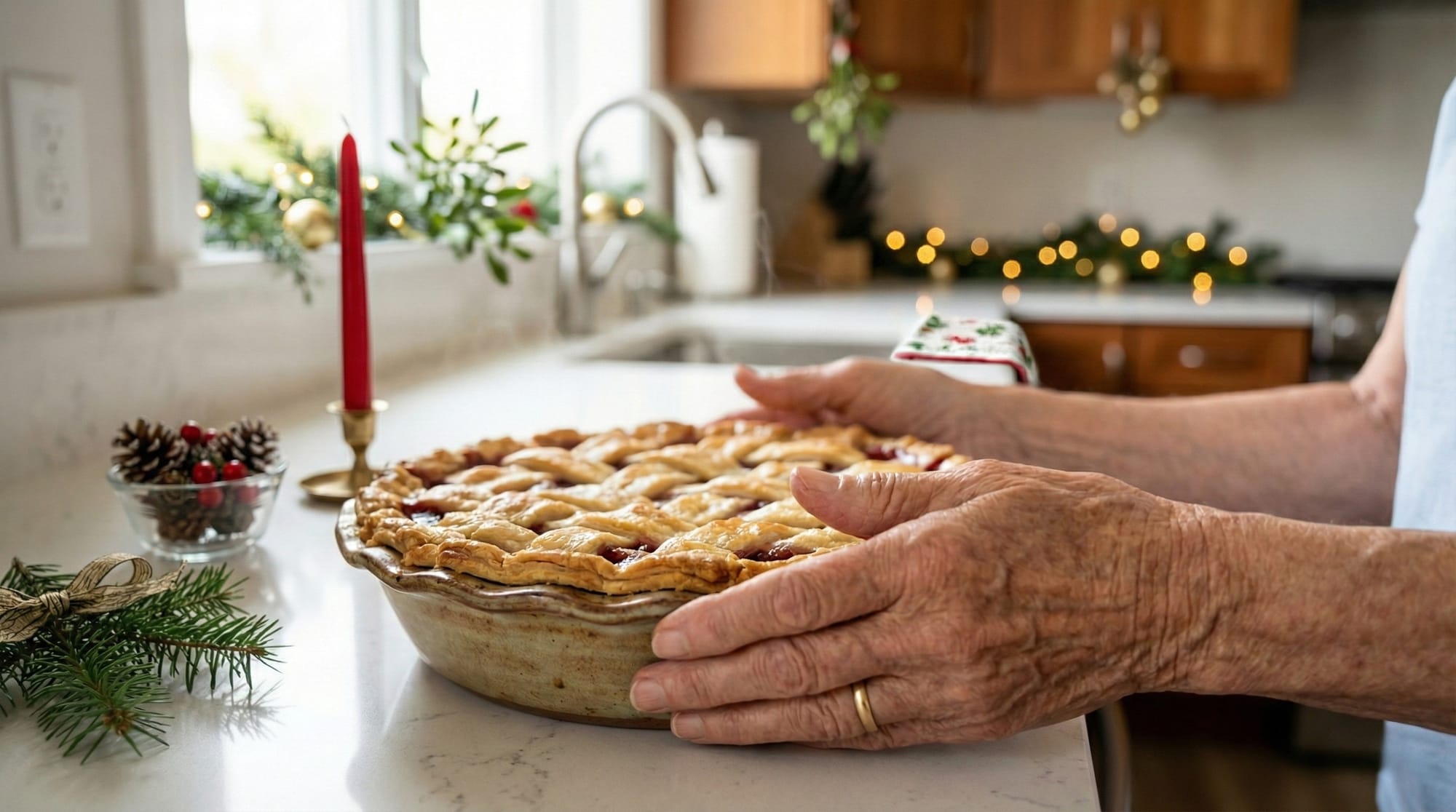
But here's what I know for sure: you deserve to enjoy your holiday celebrations fully and without apology. You deserve to eat your grandmother's cooking with pure gratitude. You deserve to be present for the laughter, the stories, and the imperfect, beautiful mess of family gatherings.
Life is too precious and too short to spend it feeling guilty about pie.
This holiday season, give yourself permission to nourish yourself in every sense of the word. Feed your body foods that taste good and feel good. Feed your soul with connection and joy. And feed your sense of tradition by honoring the recipes and traditions that make this time of year special.
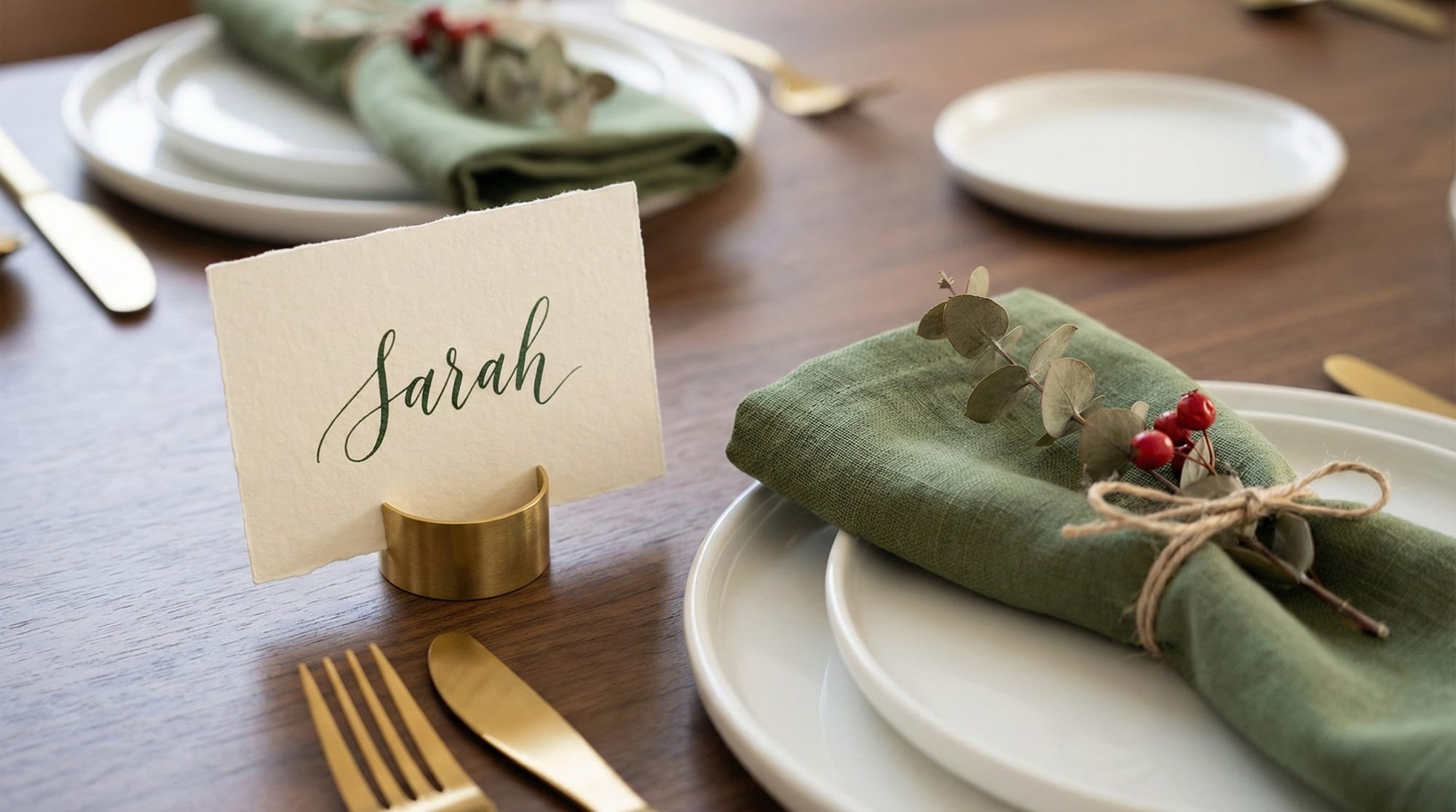
So here's my challenge for you: Share your favorite holiday food in the comments below, no apologies, no guilt, just pure appreciation. Tell me what you're looking forward to eating this year and why it matters to you. Let's celebrate food and tradition and the bodies that allow us to experience it all.
And if you're feeling brave? Commit to having at least one completely guilt-free meal this season. Just one meal where you're fully present, fully engaged, and fully free from the mental chatter of diet culture.
You've got this. And you deserve every delicious bite.
Happy holidays, friend. May your plate be full and your guilt be zero. 🎄