
The Art of Saying No: Why Your "Yes" Means Nothing Until You Have Boundaries


Have you ever said yes to something and immediately felt that sinking feeling in your stomach? You know the one. That instant regret that whispers, "Why did I just agree to that?" while you're still mid-sentence with a smile plastered on your face.
Here's the thing: most of us think we're being kind when we say yes to everything. We think we're being good friends, devoted partners, reliable employees, or loving family members. But somewhere along the way, we confused being available with being valuable. And honestly? That confusion is costing us more than we realize.
The Gate, Not the Wall
Let's get one thing straight right off the bat. Boundaries aren't walls designed to keep people out or turn you into some cold, distant version of yourself. I know that's what it feels like when you first hear the word "boundaries." It sounds harsh, right? Like you're about to become one of those people who says things like "that's not my problem" while sipping green juice and ignoring everyone's texts.
But here's a better way to think about it: boundaries are gates, not walls.
A gate is selective. It opens and closes based on what you want to let in and what you need to keep out. A gate still allows connection, but it gives you control over the terms. You wouldn't leave your front door wide open 24/7, would you? (If you would, we need to have a different conversation.) You lock it at night. You peek through the peephole before answering. You decide who gets to come in and when.
Your personal boundaries work the same way. They're not about shutting people out. They're about being intentional with your energy, your time, and your emotional bandwidth.
Why "Yes" Without Boundaries Is Actually Meaningless
Think about the last time you said yes when you really wanted to say no. Maybe you agreed to host Thanksgiving even though you're already drowning in work deadlines. Maybe you volunteered to help a friend move for the third time this year. Maybe you said you'd take on that extra project at work because, well, what else were you going to say?
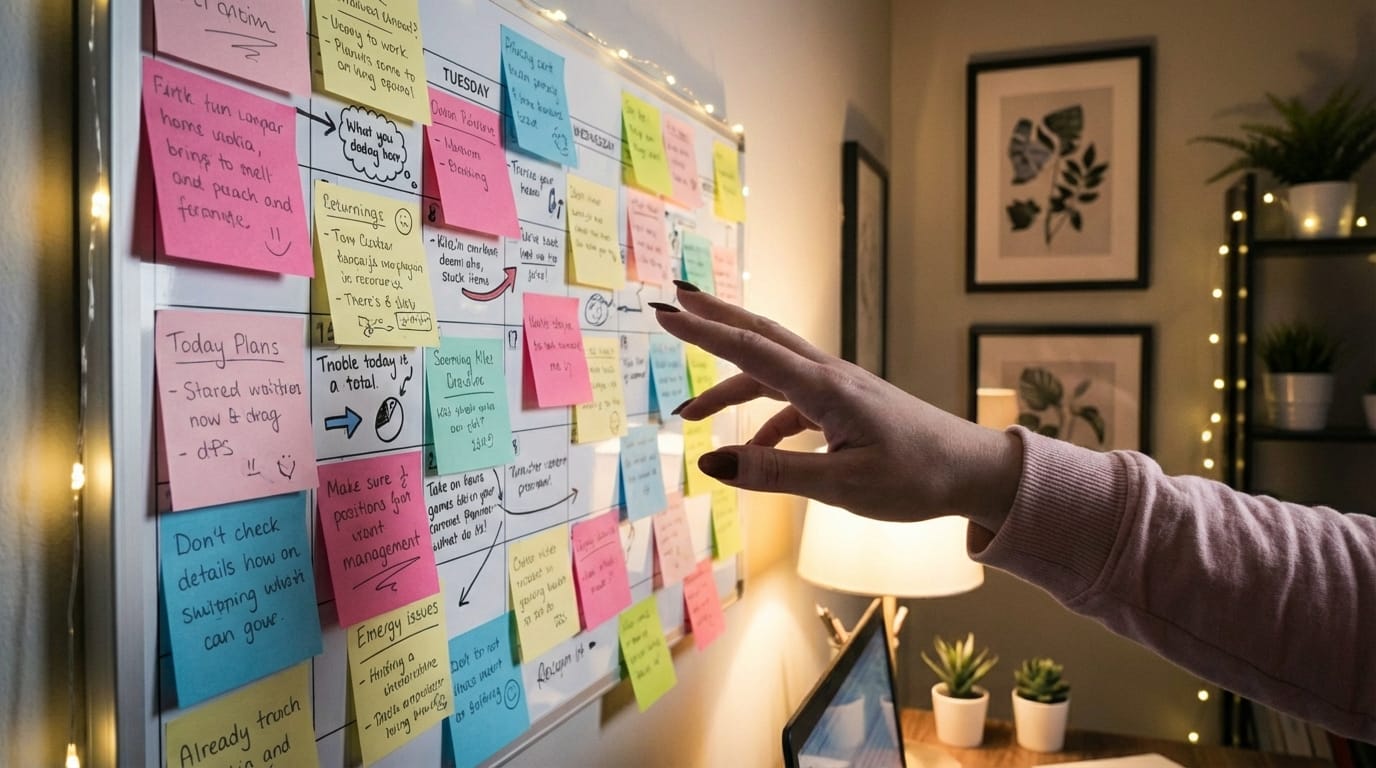
Now here's the uncomfortable truth: that yes didn't mean what you think it meant.
When you say yes without boundaries, you're not really giving someone your genuine enthusiasm or commitment. You're giving them resentment wrapped in obligation with a bow made of exhausted sighs. You're giving them the leftovers of your energy after you've already given too much to everyone else. And deep down, both of you can feel it.
A yes that comes from a place of guilt, fear, or people-pleasing isn't a real yes. It's a hostage negotiation where you're both the hostage and the negotiator, and somehow, you still lose.
The Problem With Being Everyone's "Go-To" Person
There's a weird kind of pride that comes with being the person everyone turns to. The reliable one. The one who always shows up, always says yes, always makes it work somehow. It feels good to be needed, doesn't it?
Until it doesn't.
Because here's what happens when you become everyone's default yes person: you stop being a person at all. You become a resource. A vending machine for favors, emotional labor, and last-minute rescues. And the worst part? The people around you aren't necessarily trying to take advantage of you. They've just learned that you'll always be there, so they don't think twice about asking.
You've trained them that your needs are negotiable.
Let me paint you a picture. Imagine your friend Sarah texts you on Friday afternoon, asking if you can watch her kids tomorrow because her babysitter fell through. You had plans to finally tackle that mountain of laundry and maybe, just maybe, take a bath that lasts longer than seven minutes. But Sarah needs you, and you're her friend, so of course you say yes.
Now imagine this happens every couple of weeks. Sarah never asks if you're available. She just assumes. Because you've never said no. You've never mentioned that, actually, your Saturdays are sacred. You've never set a boundary.
The problem isn't that Sarah asked. The problem is that somewhere along the way, you disappeared from the equation entirely.

The Anatomy of a Boundary
So what exactly is a boundary? Strip away all the therapy-speak and Instagram infographics, and here's what it comes down to: a boundary is simply a clear statement about what you will and won't accept in your life.
It's not a punishment. It's not a threat. It's not even really about other people, even though it affects them. A boundary is information. It's you saying, "This is what works for me, and this is what doesn't."
Think of it like dietary restrictions. If you're allergic to shellfish, you're not being difficult when you don't eat lobster. You're not punishing the restaurant for having it on the menu. You're simply stating a fact about what your body needs to function. Nobody calls you selfish for avoiding anaphylactic shock.
Emotional and mental boundaries work the same way, except we've been conditioned to feel guilty about them.
Why We're So Bad at This
Let's cut the crap. If boundaries are so important, why are so many of us absolutely terrible at setting them?
The answer is complicated, but it usually starts early. Maybe you grew up in a household where your feelings were treated as inconvenient. Maybe you learned that love was conditional on being agreeable. Maybe you watched the women in your life sacrifice themselves over and over, and you absorbed the message that this is just what good people do.
For many of us, especially women, we've been socialized to believe that our worth is measured by how much we give. Our value is in our usefulness. We're the caretakers, the emotional managers, the ones who smooth everything over and make sure everyone else is comfortable.
Saying no feels like failing at the only job we've been told really matters.
Add to that the very real consequences we sometimes face for setting boundaries. Women who assert themselves are called aggressive. People who prioritize their own needs are labeled selfish. And in certain environments, particularly at work or in family dynamics, pushing back can genuinely cost you relationships or opportunities.
So we stay quiet. We say yes. We bend until we break.
What Happens When You Have No Boundaries
Let's talk about the cost of all this yes-saying. Because it's not just about being a little tired or a little annoyed.
When you have no boundaries, you're constantly leaking energy. Every interaction, every request, every demand becomes a drain because you're operating from a deficit. You're giving from an empty cup, and everyone, including you, can taste the bitterness.

Your relationships suffer because intimacy requires authenticity, and you can't be authentic when you're too busy managing everyone else's expectations. Your work suffers because you're spread so thin that mediocre becomes your baseline. Your health suffers because stress isn't just a feeling; it's inflammation, insomnia, and a body that's constantly in fight-or-flight mode.
And perhaps most damaging, your sense of self starts to erode. When you spend all your time responding to other people's needs and agendas, you forget what you actually want. Your preferences become hazy. Your dreams get shelved indefinitely. You wake up one day and realize you've built an entire life around making other people comfortable, and you don't even recognize the person in the mirror.
The Permission You've Been Waiting For
Here's something nobody tells you: you don't need permission to set boundaries.
I know it feels like you do. It feels like you need to justify why you can't take on one more thing, or explain in excruciating detail why you need a break, or provide a doctor's note for prioritizing your own wellbeing.
But you don't.
Your needs don't require a defense. Your limits don't need to be approved by committee. You are allowed to want what you want and need what you need, simply because you are a person who deserves to take up space in your own life.
This is the part where I'm supposed to give you permission, right? Consider it given. But more importantly, I want you to give yourself permission. Permission to matter. Permission to have preferences. Permission to be something other than endlessly accommodating.
Starting With the Gate
So where do you start? Because I know this all sounds good in theory, but the reality of actually implementing boundaries can feel overwhelming.
Start small. Start with awareness.

For the next week, just notice. Notice when you say yes but feel no. Notice when your stomach clenches or your jaw tightens. Notice when you're doing something out of obligation rather than genuine desire. You don't have to change anything yet. Just observe.
Then, pick one small boundary to experiment with. Maybe it's not answering work emails after 7 PM. Maybe it's telling your friend you can't talk right now, but you'll call her back later. Maybe it's saying, "Let me check my schedule and get back to you," instead of immediately agreeing to something.
The specific boundary doesn't matter as much as the practice of setting one. You're building a muscle here, and like any muscle, it gets stronger with use.
The Ripple Effect
Here's what I want you to understand: when you start setting boundaries, your life doesn't just get a little better. It transforms.
The people who respect your boundaries are the ones worth keeping around. The ones who push back, who guilt you, who make you feel bad for having needs? They're showing you exactly who they are. Believe them.
You'll have more energy for the things and people that actually matter. Your relationships will deepen because they'll be based on genuine connection rather than resentful obligation. You'll rediscover parts of yourself that got buried under years of people-pleasing.
And here's the most surprising part: you'll actually become better at helping others. When you give from a place of choice rather than compulsion, your generosity becomes real. Your yes means something again because it's backed by an authentic desire to show up, not a fear of what happens if you don't.
Your Yes Needs a No
This is the heart of it, really. Your yes is only meaningful when you're capable of saying no.
Think about it. If someone knows you'll agree to anything they ask, your agreement becomes worthless. It's not a reflection of your feelings or your priorities. It's just the default setting, like a vending machine that dispenses the same thing no matter which button you press.
But when you have boundaries, when you're selective about your yeses, they become powerful. They become a genuine gift rather than an automatic transaction. The people in your life know that when you show up, you're really showing up. When you commit, you mean it.
Your no protects your yes. It preserves the integrity of your commitments and the authenticity of your relationships.
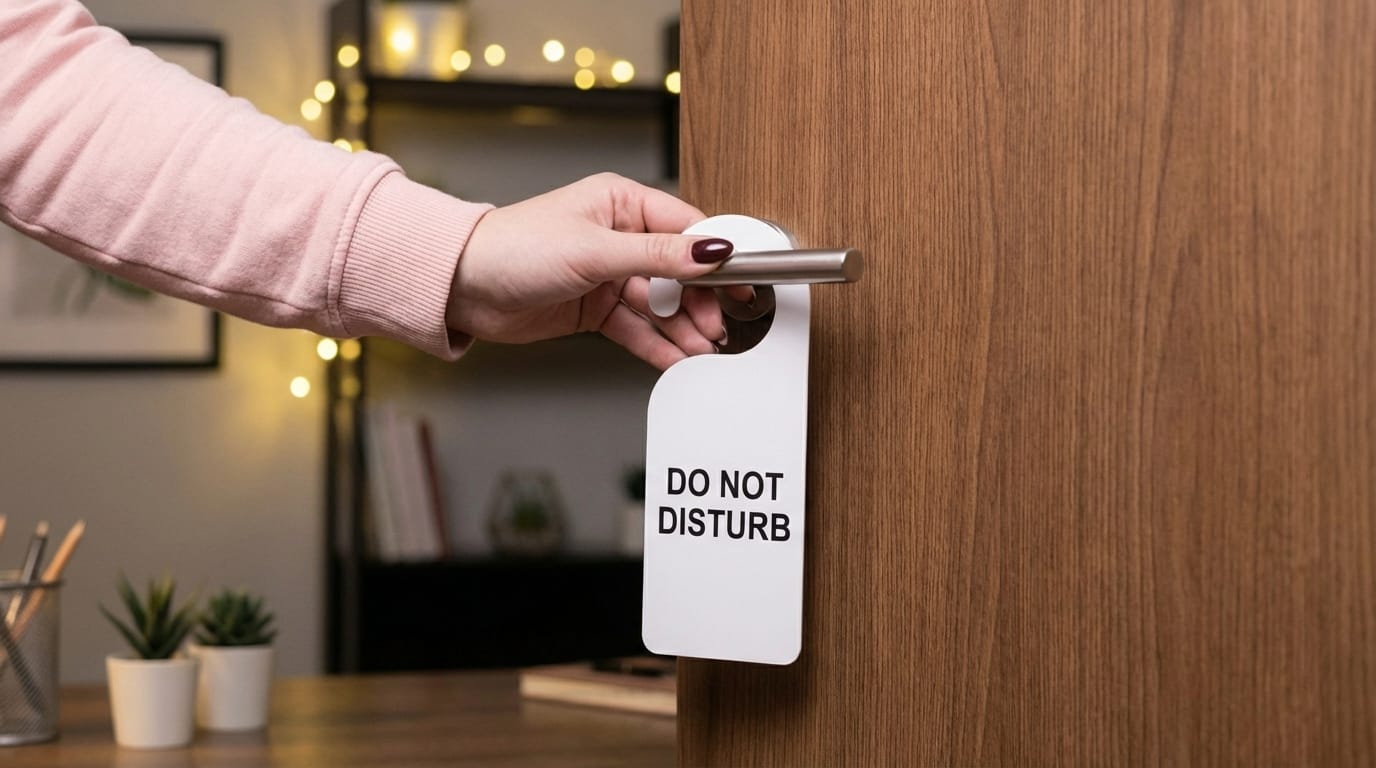
Moving Forward
Over the coming weeks, we're going to dive deep into the specific, messy, complicated areas where boundaries matter most. We'll talk about guilt, self-promises, professional limits, and family dynamics. We'll get into the nitty-gritty of how to actually do this in real life, with real people, in real situations.
But everything starts here, with understanding that boundaries aren't the enemy of connection. They're the foundation of it.
You deserve to live a life that feels like yours. You deserve relationships based on mutual respect rather than one-sided sacrifice. You deserve to go to bed at night feeling proud of how you spent your day, not resentful about what everyone took from you.
So start with the gate. Open it when you want to. Close it when you need to. And remember that the person on the other side of that gate is you, and you're worth protecting.
What's one boundary you've been afraid to set? Drop a comment below and let's talk about it. Sometimes just saying it out loud is the first step toward making it real.